Week 31's design-systems stories are really about turning product rules into executable contracts. Attio built a typed formula language with Lezer and CodeMirror, executes large recomputations in consistent Spanner snapshots, and uses Pub/Sub ordering keys to preserve fairness between tenants. Its formula-writing agent is constrained by the same type system, so invalid references are returned for correction instead of becoming silent product errors.
The surrounding workflow needs equally concrete checks. Deque's Axe Monitor MCP integration turns scan history into prioritized remediation plans, while visual regression tests compare rendered output rather than class names or component internals. Buttondown keeps one portable localization JSON file for Django, Vue, and background email rendering, then enforces missing, malformed, and unused keys in CI. A design system becomes dependable when tokens and components are joined by machine-checkable guarantees for accessibility, localization, visual output, and data semantics.
Liveblocks' public-beta LiveFile shows the same consolidation at runtime: files become synchronized Storage values, update live for every collaborator, and can be uploaded from either React hooks or server-side agent workflows. The practical lesson is to keep system capabilities inside shared primitives rather than recreating parallel paths for each surface.
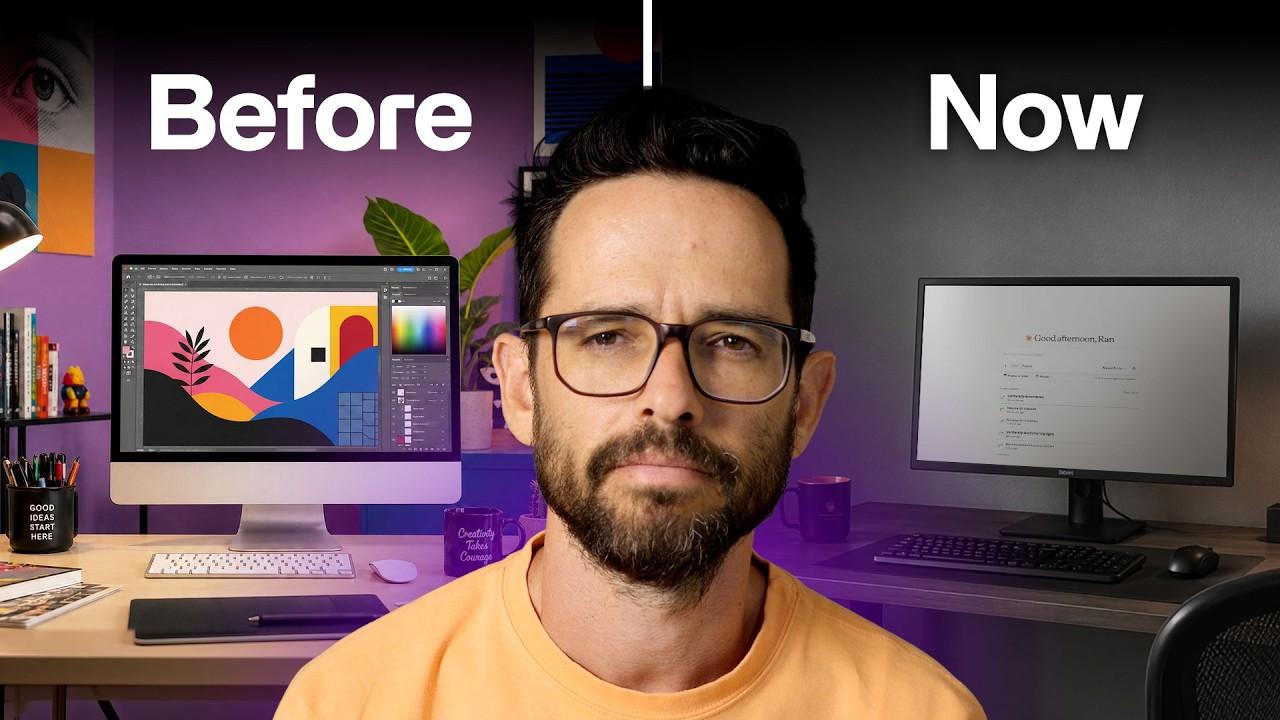
Flux Academy adds a human boundary to those machine-checkable systems. Its revised process keeps research, sketching, incubation, and trusted feedback with the designer, then uses Claude for execution rather than idea ownership. That division treats human creativity plus AI execution as a system constraint: automation expands a deliberate concept instead of selecting the concept by default.