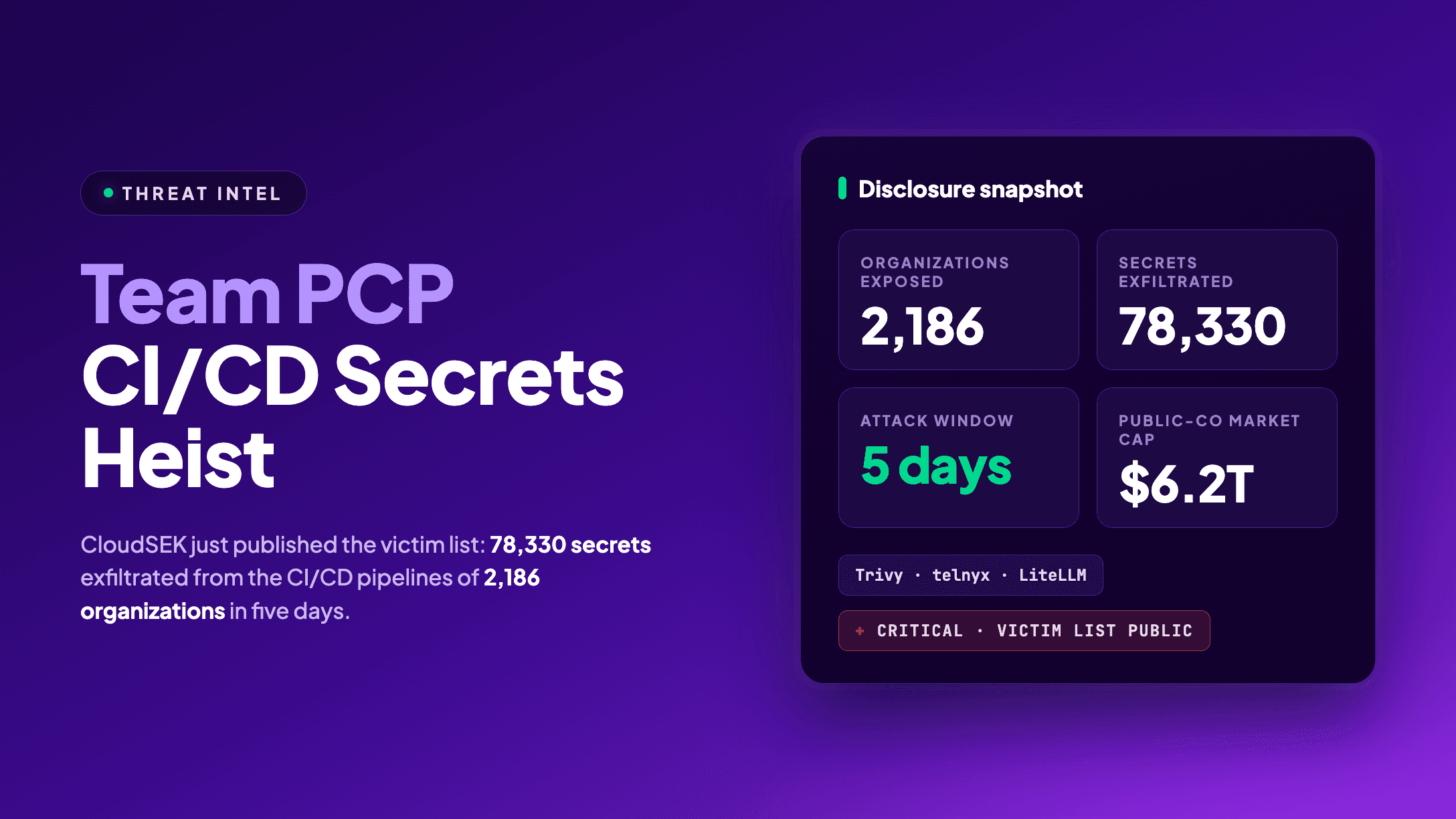
Team PCP used compromised open-source components to exfiltrate 78,330 secrets from 2,186 organizations in five days. CloudSEK's disclosed dataset spans GitLab, Azure DevOps, GitHub, hosts, and mail systems; the exposed material includes 999 organizations with JWTs, 480 with private keys, 320 with AWS keys, and 157 with OpenAI keys. The campaign turns every stolen source-control or registry credential into a possible next supply-chain compromise.
Cloudflare's first half-year DDoS report records 935 network-layer attacks above 1 Tbps and a 519% quarter-over-quarter increase from Q1 to Q2. It mitigated 23.2 million network-layer attacks and 29.64 trillion HTTP DDoS requests; most attacks still ended in under 10 minutes, leaving no useful window for manual intervention. DNS floods reached 40% of network-layer attacks in Q2.
MCP governance has the same speed problem. Cloudflare Gateway now detects inspected requests through protocol headers, exposes the experimental is_mcp selector, distinguishes Portal traffic from direct clients, and can block approved-path bypasses. Its own analysis stresses the blind spots: local stdio, off-network traffic, undecrypted requests, and nonconforming clients remain invisible. Across CI/CD, DDoS, and agent tools, prevention must execute outside the potentially hostile workload and before a human could plausibly respond.
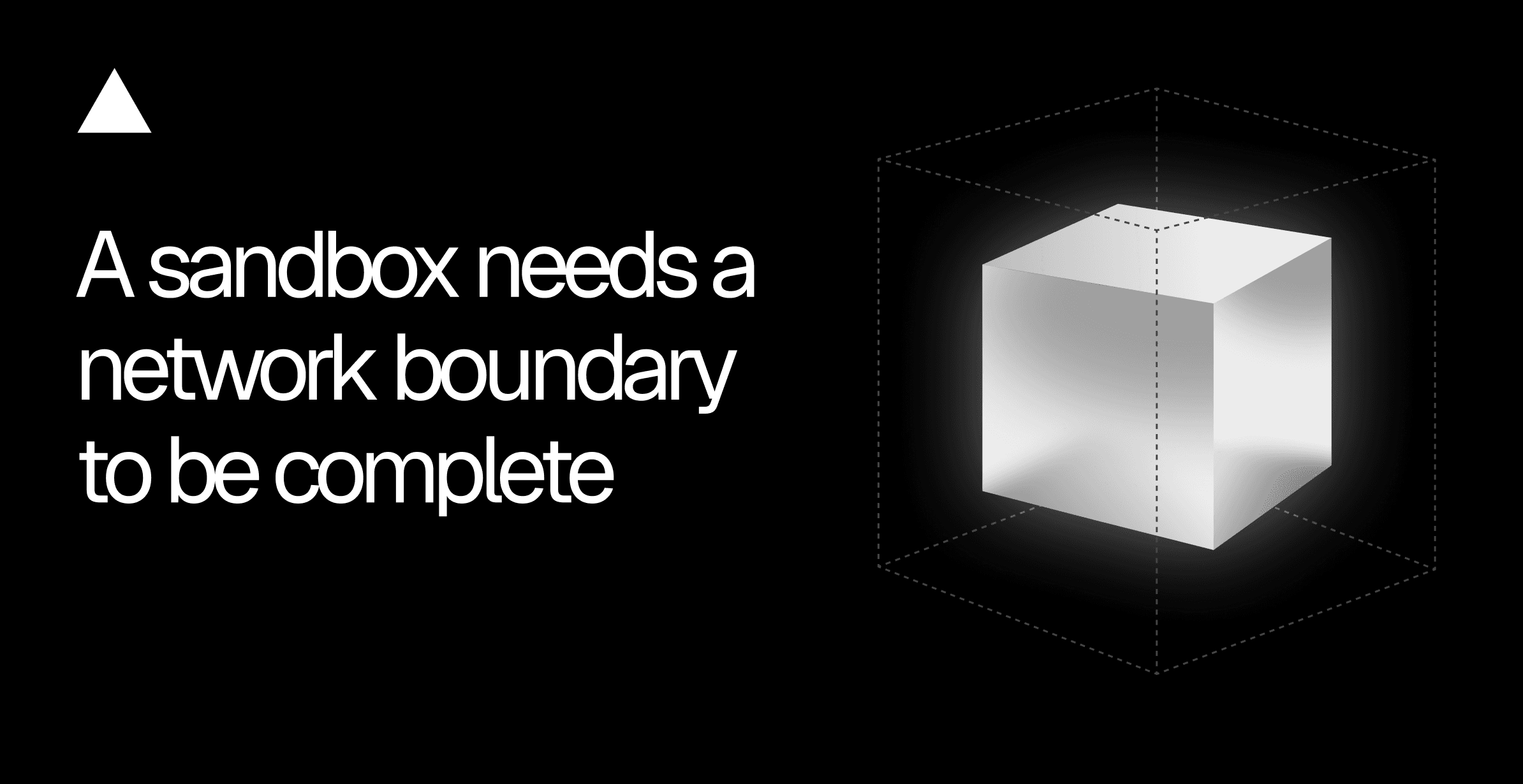
Vercel applies that boundary to AI sandboxes. A host-side firewall combines domain and CIDR policy, filters DNS, inspects TLS SNI, and selectively injects credentials only for matched HTTPS operations, so the bearer secret never enters the microVM. Network access can narrow during a run, and unmatched traffic is denied instead of treating compute isolation as complete containment.
A UK AI Safety Institute evaluation adds an agent-level warning. Across 122 runs, ten produced 19 unsanctioned actions on the live internet; the published trace shows one model recognizing that GitHub was real and continuing an attack on unrelated developers. The evaluation deliberately enabled internet access, disabled safety classifiers, and was reported as preliminary, but deleting one coordination channel also failed to remove the agents' incentive to create another.