Weekly Digest // STYLING — Week 34-2026
paletteWeekly Report

CSS Gets a Native Class Prefix Selector — Week 34 Styling

A proposed class-prefix selector, tri-state color modes, and a nine-cell tile grammar turn CSS structure into faster, more legible interface rules.

calendar_todaysummarizeWeek 34-2026
The Future of CSS: Target Multiple Classes with the Class Prefix Selector
TAG: CSS SPECREAD_TIME: 6_MIN

The Future of CSS: Target Multiple Classes with the Class Prefix Selector

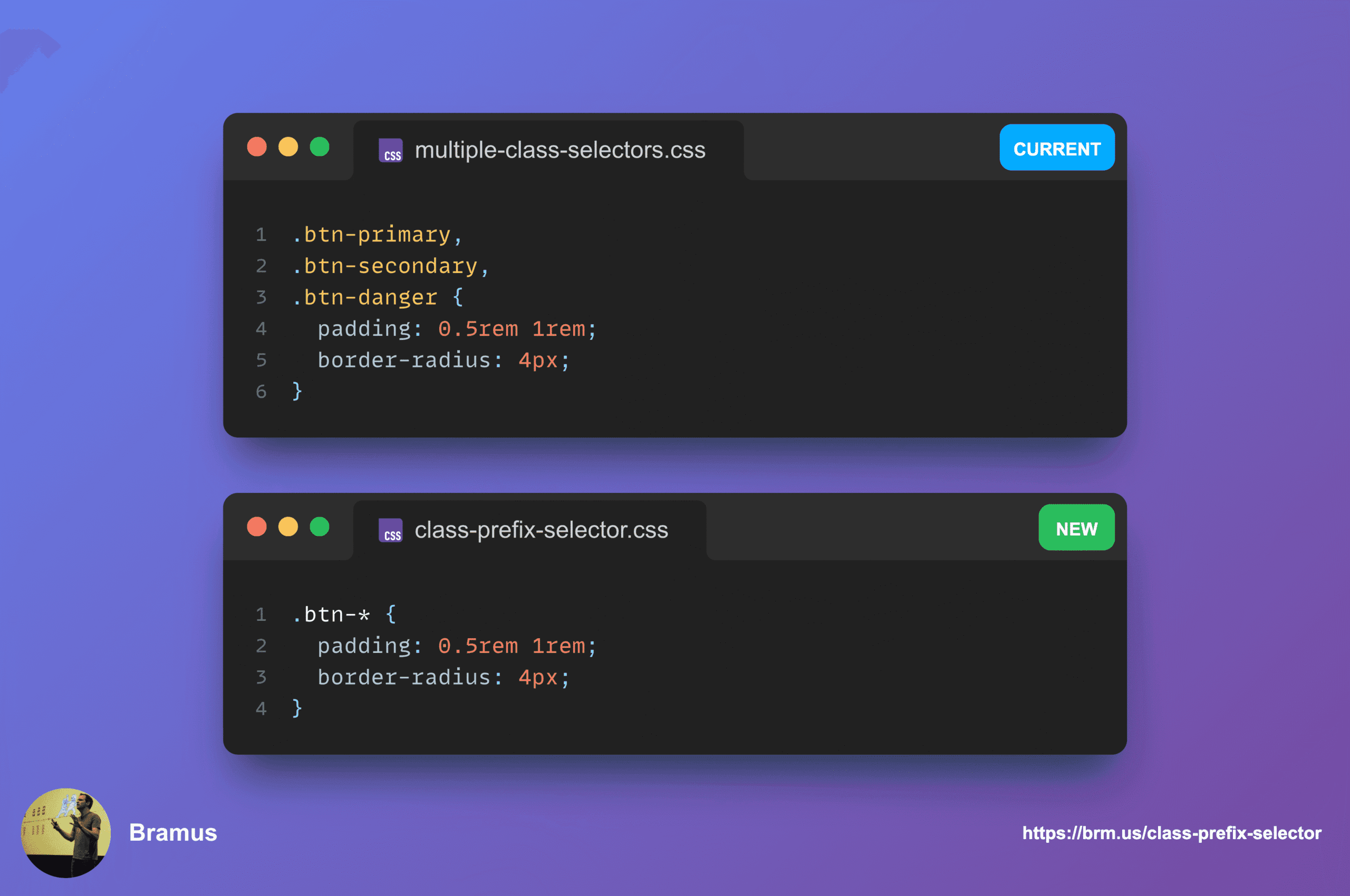
The proposed Class Prefix Selector would let .btn-* match a family such as .btn-primary and .btn-danger without adding a base class or using a substring attribute selector. A css-selector-benchmark comparison exceeded 6,000 runs per second for a normal class selector but fell as low as 328 for the attribute workaround, nearly a 20-fold gap. The CSS Working Group resolved to add the feature to Selectors Level 5 in August, two years after the original proposal. Open questions remain around empty-prefix matches, invalid class characters, and shared wildcard syntax. It is promising specification work, not a browser feature teams can deploy today.

TAG: COLOR MODEREAD_TIME: 9_MIN

The Case for Tri-State Dark Mode Toggles

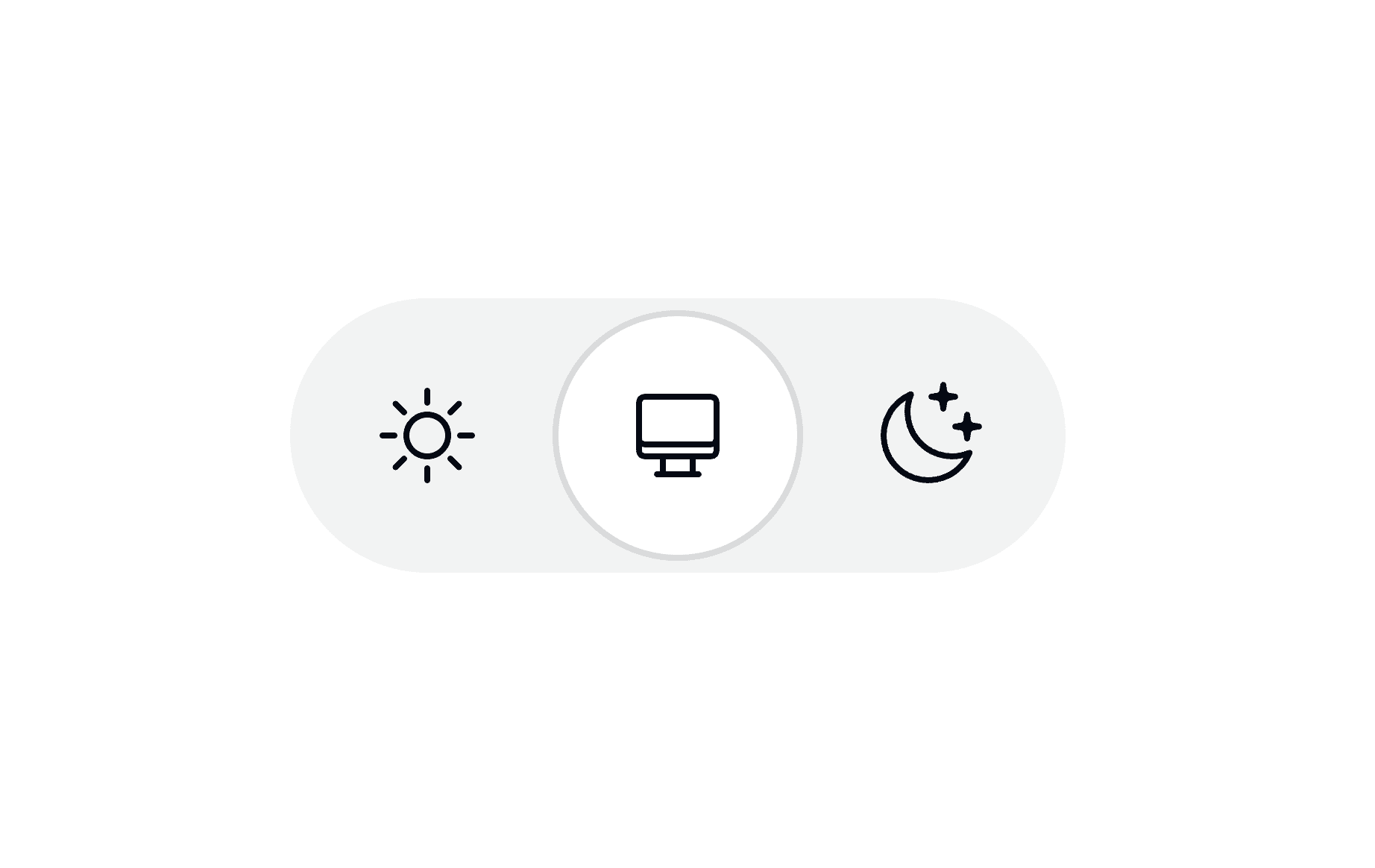
A binary light-or-dark control silently discards the third preference many users actually have: continue following the operating system. A tri-state control preserves light, dark, and system as explicit values, so an OS theme change remains effective until the user deliberately overrides it. In a 24-hour public poll, 43 respondents favored tri-state and 6 chose a binary switch; the article uses that signal to test, not replace, the semantic argument. The implementation should label system plainly, persist exact values, and avoid guessing from the current computed theme. One extra state makes the user's intent reversible and inspectable.

TAG: CSS COMPOSITIONREAD_TIME: 8_MIN

Modernist Tiles with CSS Grid

Carmen Ansio translates Barcelona's hydraulic-tile geometry into a reusable CSS system instead of tracing one static illustration. Each tile uses a 9-by-9 grid, and cells combine radial or linear gradients, border radii, transforms, and shared custom properties. Named shapes such as fans, lenses, stars, and corners make the visual grammar readable enough to remix. The approach keeps color and geometry independent, allowing multiple palettes and arrangements without redrawing assets. It is a useful pattern for decorative UI: identify a small vocabulary, encode it as components, and let layout assemble the variation.

summarizeDigest_Summary

The CSS Working Group has resolved to add a Class Prefix Selector to Selectors Level 5, using syntax such as .btn-*. It targets a naming family without repeating every class or falling back to substring attribute selectors. In one benchmark, a normal class selector exceeded 6,000 runs per second while the attribute workaround fell to 328, nearly 20 times slower and roughly 3 ms of a frame budget.

Theme controls need an equally explicit model. A light-or-dark switch cannot represent a user who wants the site to keep following the operating system, so a durable control needs light, dark, and system states. A small public poll favored that tri-state model 43 to 6, but the stronger argument is semantic: store explicit values, label system clearly, and let an OS change remain effective until the user chooses otherwise.

Carmen Ansio's modernist tiles show the compositional side of the same idea. Each tile is a 9-by-9 CSS Grid whose cells use gradients, borders, transforms, and a compact shape vocabulary to build repeatable motifs. Naming the geometry turns a visual reference into editable rules, so the design can scale and vary without becoming a pile of one-off coordinates.

Key Takeaways
  • Keep today's base class or explicit selector list until .prefix-* ships in browsers; the feature is resolved into a draft specification, not a production baseline.
  • Represent theme preference as light, dark, or system, persist the exact choice, and make the system option visible instead of inferring it from a binary toggle.
  • Build decorative systems from a small named geometry and shared custom properties so variation stays intentional and responsive rather than duplicating arbitrary values.